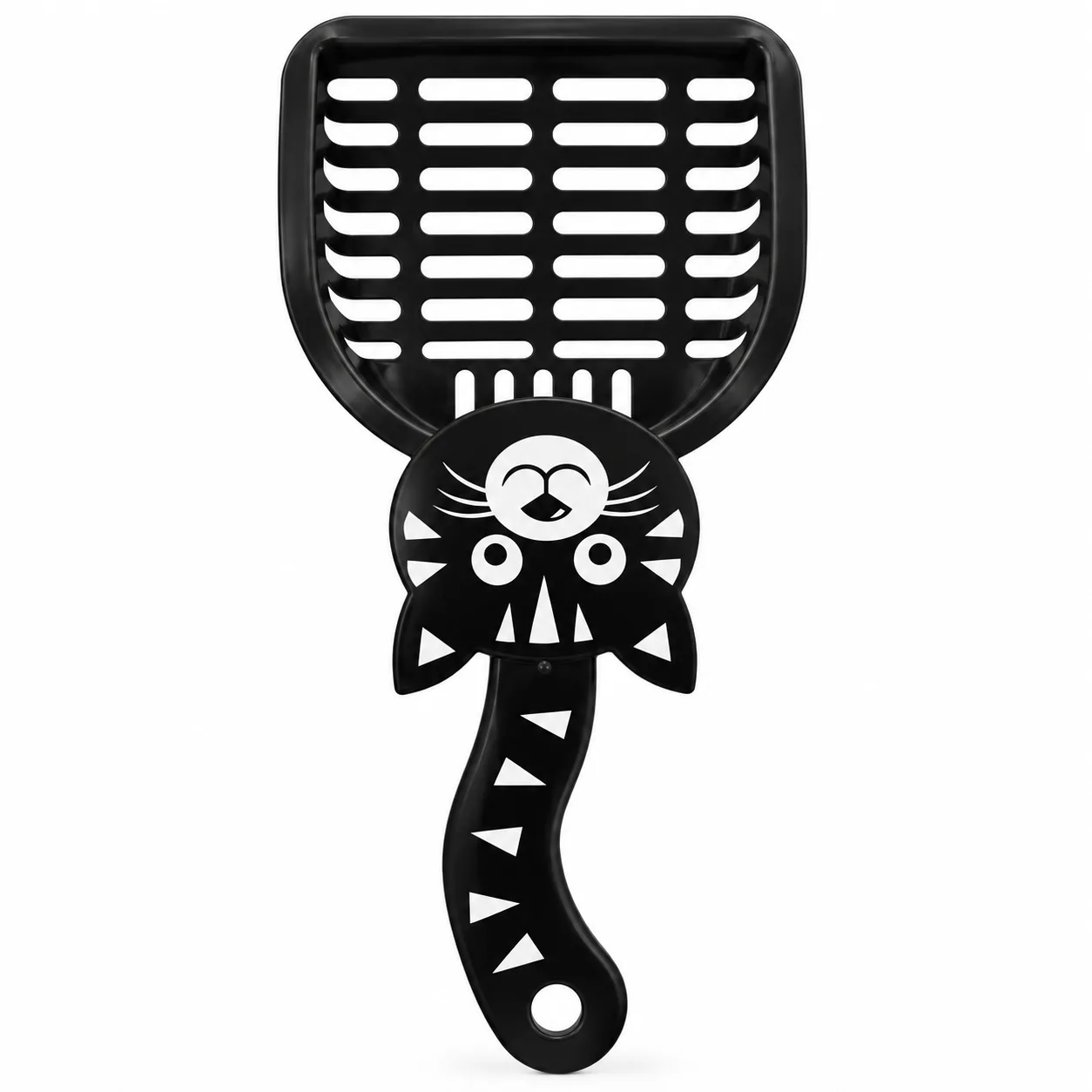
Litter box guide for kittens
Updated 10 October 2026
Kittens learn the litter tray mostly by themselves. Cats are born wanting to dig and cover, so your job is less about training and more about making the tray easy to find, easy to get into and clean enough that they want to use it.
When to start
A kitten can be given a tray from about three weeks old, while it is still with its mother. If you're bringing home a kitten at eight to twelve weeks, it will usually already know what a tray is for. Show it where the tray is as soon as it arrives, and again after it eats and wakes up.
The tray itself
Small kittens need a tray with a low side they can step over. A tall adult tray is a wall to a kitten, and a kitten that can't get in quickly will go somewhere else. Move up to a full-size tray once the kitten is climbing in easily. A grown cat's tray should be about one and a half times its length from nose to the base of the tail.
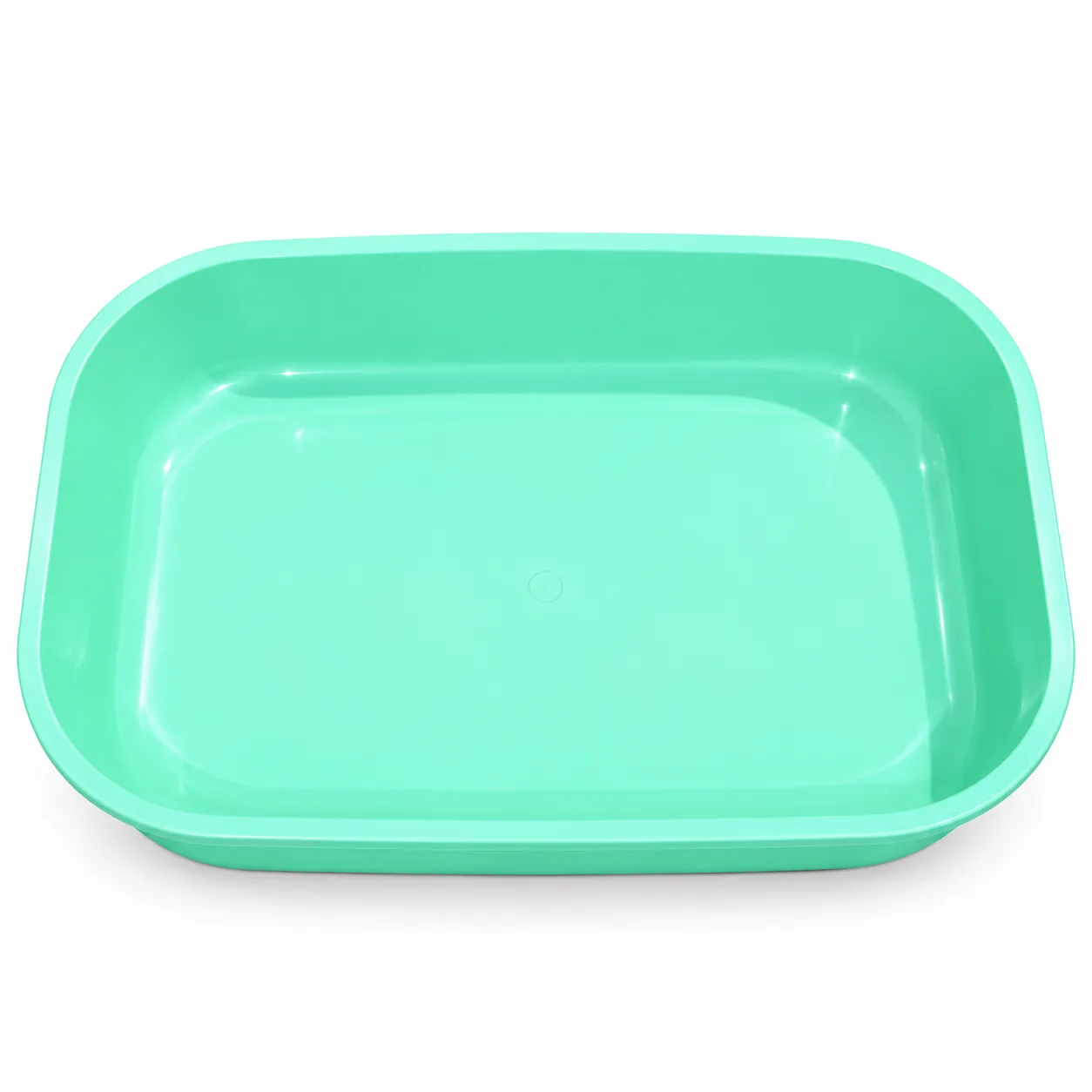
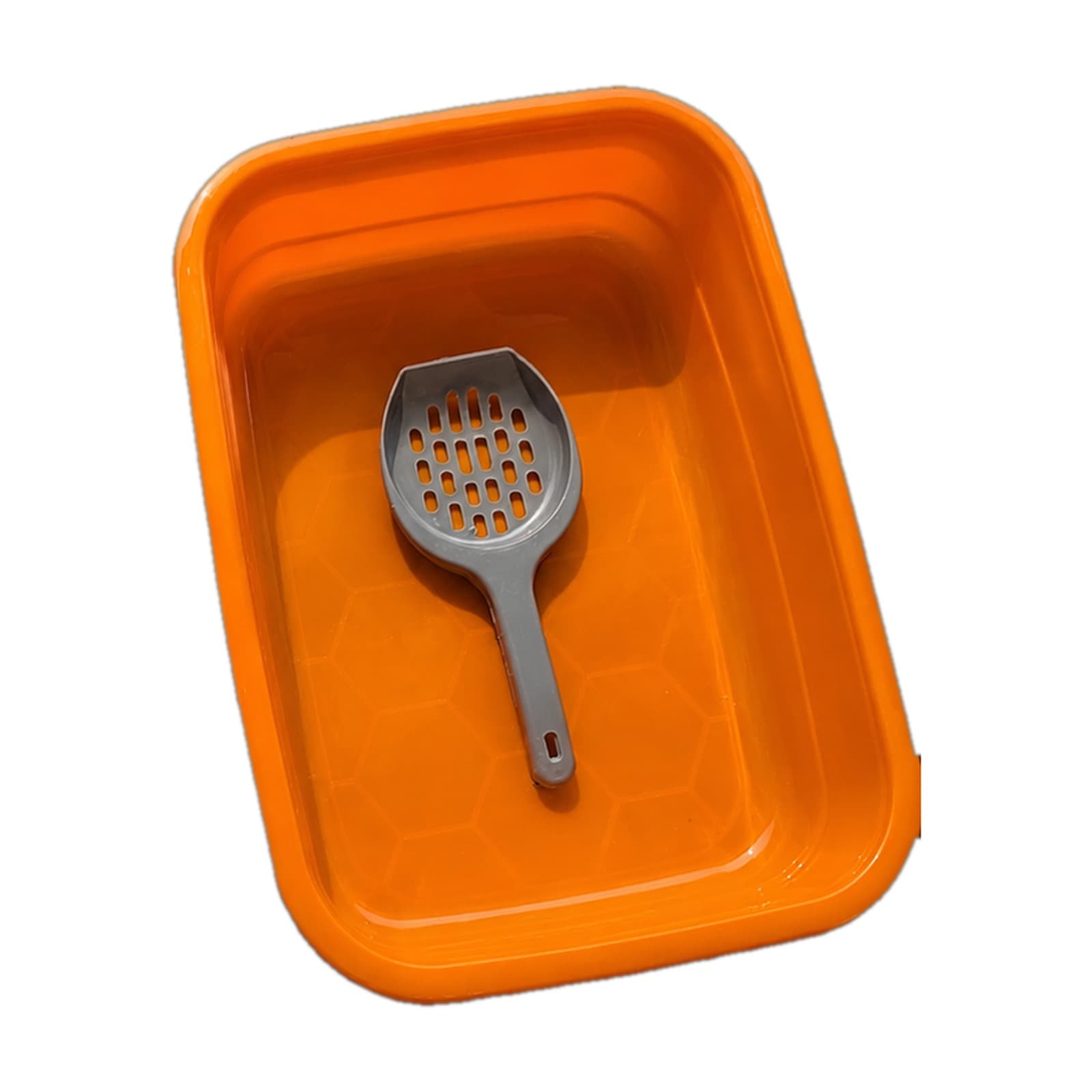
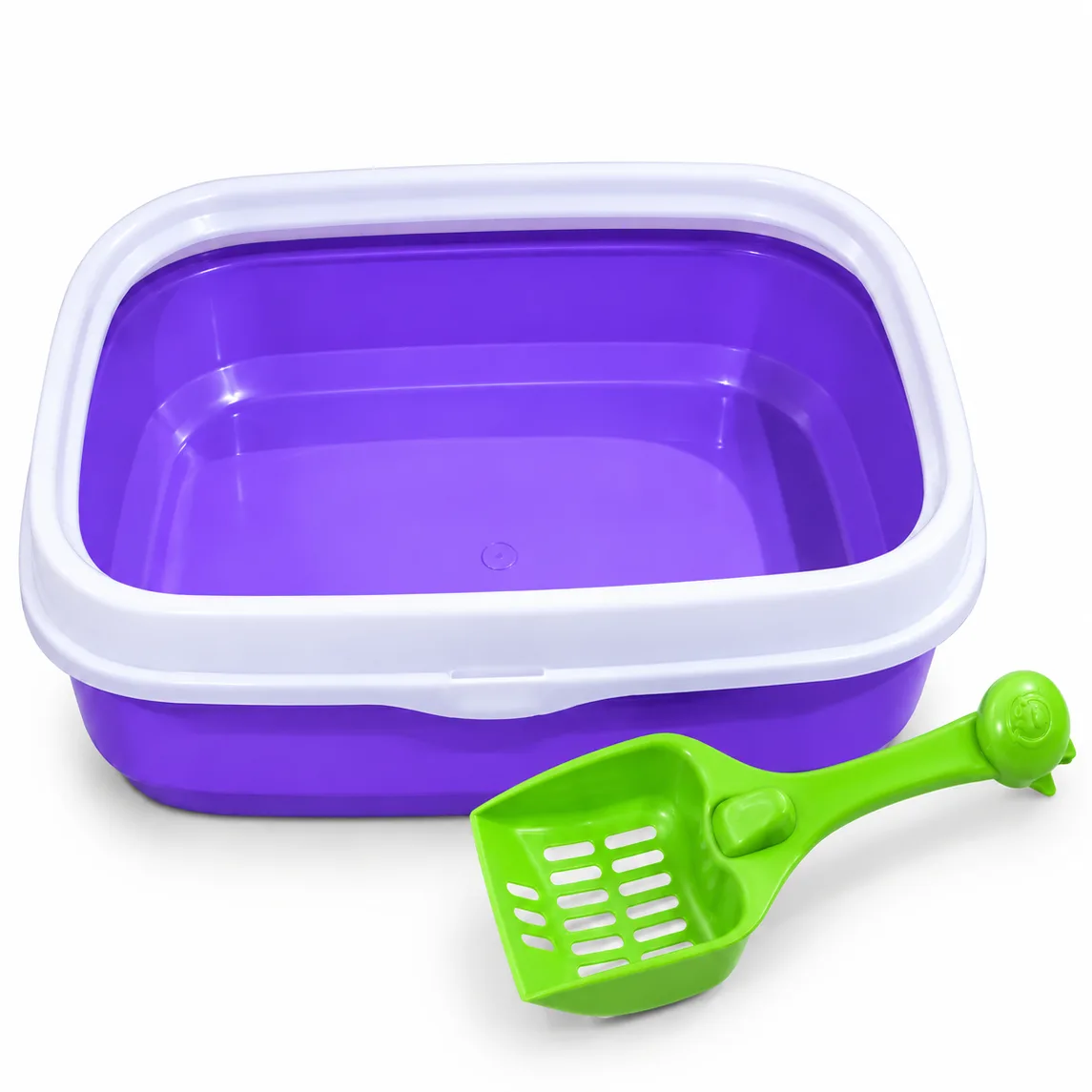
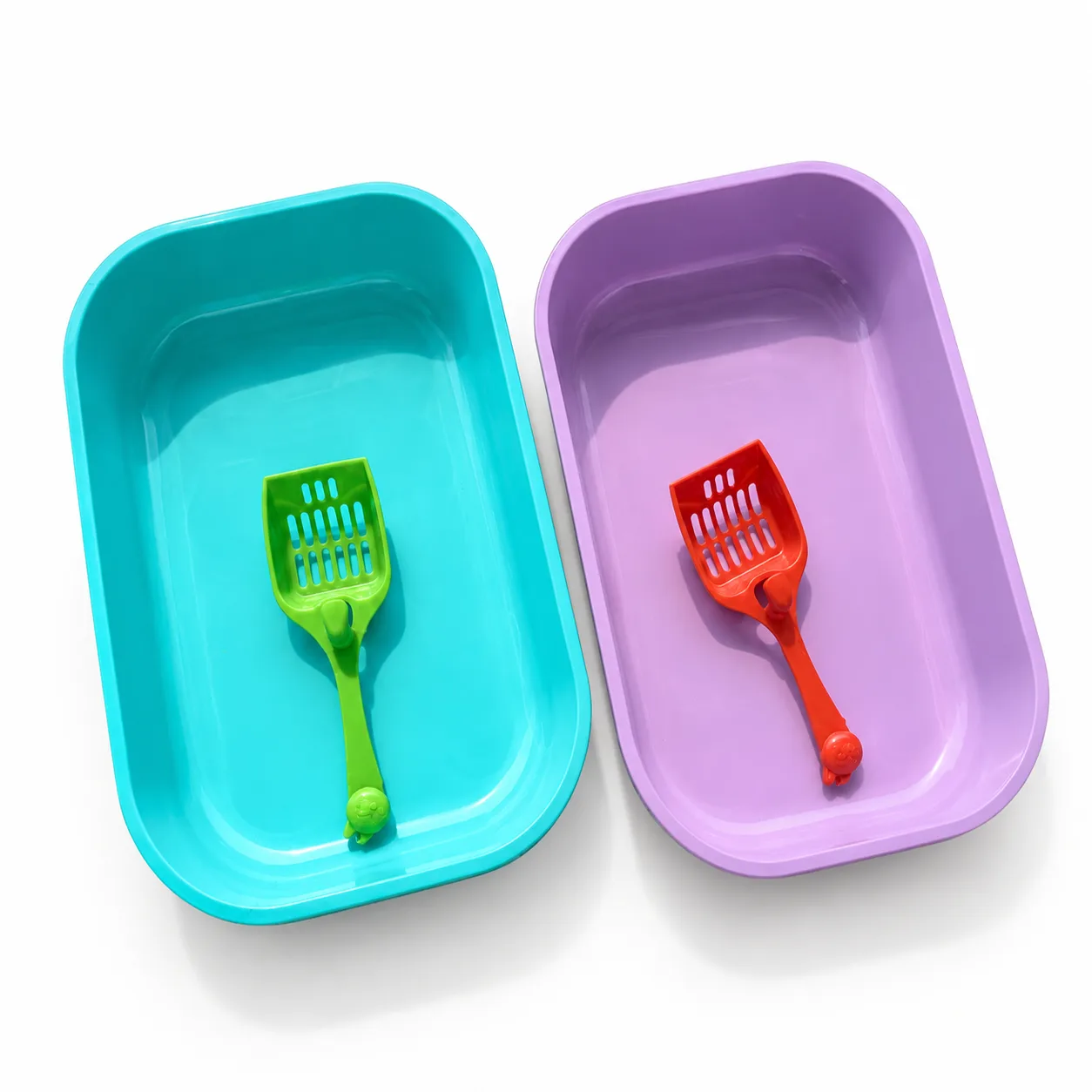
For a first tray, a simple open one like our Litter Tray or the Litter Tray with Scoop works well. Most cats prefer an open tray to a covered one, because a cover keeps the smell in.
Which litter for a kitten
Kittens explore with their mouths, and some will eat litter. That's why the cautious advice is to avoid clumping litter until a kitten is about four months old. If a kitten swallows clumping litter, it can swell in the gut. Silica crystal litter shouldn't be used under eight weeks either.
Start with a paper, wood or plain non-clumping litter, unscented and fairly fine. Most cats dislike strong perfume and coarse pellets. Once the kitten has stopped tasting the litter and is a few months old, you can switch to clumping litter if you prefer it. Do it gradually, mixing a little more of the new one into the old each day.
Put in about four to five centimetres, enough to dig in.
How many trays, and where
- One tray per cat, plus one. One kitten means two trays. It sounds like a lot until you've cleaned up the alternative.
- Somewhere quiet and private, away from food, water and the bed. Cats don't like to eat next to their toilet any more than we do.
- Not next to a washing machine, a noisy door or a busy corridor. A kitten that gets a fright in the tray may avoid it afterwards.
- If your house has more than one floor, put a tray on each.
Keeping it clean
Scoop at least once a day, more often with more than one cat. A litter scoop costs very little and makes this a thirty-second job. Wash the whole tray about once a week with mild, unscented soap and warm water. Avoid bleach and strong-smelling disinfectants, and don't use ammonia or vinegar on accidents, because to a cat they smell like urine and invite a repeat.
During the monsoon, trays start to smell faster and litter can go damp and cake. Scoop more often and keep the litter bag sealed.
When a kitten goes outside the tray
Check the simple things first: is the tray dirty, too tall, too close to the food, or somewhere noisy? Has anything changed recently, like a new litter, a move, or a new pet or person in the house? Stress is a common reason.
But a kitten or cat that suddenly stops using its tray should see a vet, because the cause is often medical: a bladder infection, inflammation, stones, or pain that makes climbing into the tray hard. A cat in pain can start to link the tray with the pain and avoid it.
When it is urgent
A cat straining in the tray and passing little or no urine, or crying while it tries, needs a vet the same day. Don't wait until the morning. In male cats this can be a blocked bladder, which can kill within a day or two. It is easy to mistake for constipation.
This is general advice from a pet shop, not a substitute for a vet. If your pet seems unwell, ring your vet.